Unveiling the Hidden Danger: How Home Renovations Can Raise Radon Levels
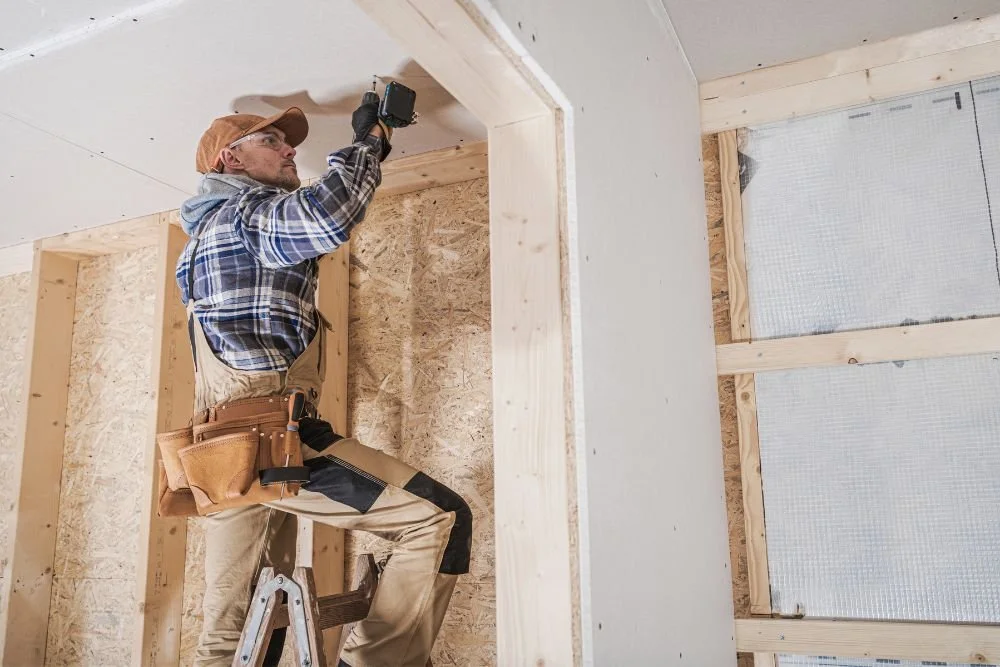
While upgrading your home can be an exciting process, it's crucial to acknowledge potential risks lurking beneath the surface. Radon, a colorless and odorless radioactive gas, is a prime concern. Disturbances during renovations can expose trapped radon from soil and structures, significantly raising indoor levels. This poses a serious threat to your health, as Fort Lauderdale listing agent prolonged exposure to radon contributes lung cancer, the second leading cause of cancer deaths.
To protect yourself and your loved ones, it's essential to have your home tested for radon before, during, and after any renovations. Consult a qualified radon testing professional to implement appropriate mitigation strategies if elevated levels are detected. Remember, mitigating radon exposure is a critical step in ensuring the safety and well-being of your home.
Renovation Risks: Are You Increasing Your Exposure to Radon?
Embarking on a restoration project can be an exciting time, transforming your home into the space of your dreams. However, it's crucial to be aware of potential risks that may arise during construction. One often overlooked hazard is radon, a colorless, odorless, and radioactive gas that is produced by the natural decay of uranium in soil and rock. When construction activities disturb the ground, radon levels inside your home could escalate.
- During renovations, excavated areas create pathways for radon to seep into your living space.
- Broken pipes can also introduce radon from the ground below.
- It's crucial to have your home tested for radon before, during, and after renovations to ensure your family's safety.
By being mindful of these risks, you can minimize your exposure to radon and preserve your loved ones' health during your renovation project.
Building a Safer Home: The Radon Factor in Renovation Projects
Renovating your home can be an exciting endeavor, transforming your living space and boosting its value. However, it's crucial to consider potential hazards lurking beneath the surface. One often-overlooked threat is radon, a colorless, odorless radioactive gas that can seep into homes from the ground. At the time of renovations, disturbing the soil and foundation can actually increase radon entry points.
It's essential to test for radon before, during, and after renovation projects. This enables you to take proactive measures to mitigate radon levels and create a truly safer environment for your family.
The Unexpected Downside of Home Improvement: Elevated Radon After Renovations
Embarking on a home renovation project is often a thrilling endeavor, filled with anticipation for a refreshed and updated living space. However, , there's an unexpected potential downside to consider: {elevated radon levels.{ Radon, a colorless and odorless radioactive gas, can seep into homes from the ground, and renovations can inadvertently disturb soil and increase its concentration within your dwelling.
Although many homeowners focus on cosmetic upgrades and structural improvements, it's crucial to remember that radon mitigation should be an essential part of any renovation plan. Consult with a qualified radon testing professional before, during, and after renovations to ensure your home remains a safe and healthy haven.
Don't Let Your Dream Reno Become a Radon Nightmare
Embarking on a home renovation is a thrilling journey. You've got your ideas all set, the builder is booked, and you can almost imagine your dream space taking shape. But before you jump in, there's a crucial step you shouldn't overlook: radon testing. Radon, an invisible and odorless radioactive gas, is the second leading cause of lung cancer after smoking. {It can seep into your home from the ground below| It emanates from the soil beneath making your newly renovated haven a potential health hazard.
- Don't wait
- After completion
- Protect yourself and your family
A simple radon test can expose the presence of this dangerous gas, allowing you to address the issue before it poses a threat. Remember, a safe and healthy home is a dream worth protecting.
Home Improvement and Radon Awareness: Essential Information for Your Project
Planning a home remodeling project can be exciting, but it's crucial to prioritize safety. One often overlooked hazard is radon, a colorless, odorless gas that can seep into your home from the ground. Before your renovation, you may disturb soil and increase the risk of radon entering your living space.
Testing for your home's radon levels before starting any major renovations is essential. A simple radon test can provide valuable information about potential risks. If elevated levels are detected, take necessary precautions to mitigate the problem.
Consider consulting with a certified radon mitigation specialist who can guide you on effective solutions like sealing cracks in your foundation and installing a ventilation system. Remember, your health and safety should always be paramount during any home improvement endeavor.